
Addiction and Unhealthy Habits
Does this sound familiar?
Perhaps you have been using alcohol, drugs, food, sex, or TV to help you cope with your big feelings or to give yourself a confidence boost when socialising. But you're aware that this is increasingly disconnecting you from what's important. Your addictions or unhealthy habits might be impacting your energy levels and your ability to care for yourself. It might also be affecting your capacity to be there for your children or loved ones.
You may be sober curious, wanting to explore the possibility of life without the constant mental chatter - “shall I, shan’t I?” “How much should I have this weekend?”. You may be questioning your habits but you aren’t sure whether therapy is right for you.
The shame of addiction and unhealthy habbits can feel all-consuming, but with compassionate support, it’s 100% possible to change. As Gabor Maté says, the question to ask is "Not why the addiction, but why the pain."

How my approach helps:
Whether you identify as sober curious, feel that you are in a grey area of drinking alcohol, or you are aware that a habit is holding you back, I can help. We will focus on first regulating your nervous system with breathwork and somatic tools. From there we will explore your environment (work, home, and social) from a practical perspective. We will talk about ways that you can reduce the level of harm and discomfort that you're experiencing. We will also work to identify and heal the root cause of your addiction and unhealthy habits with deep transformational work. This involves life mapping and psychodynamic therapy. Then we will go deeper with shame and forgiveness work, visualisation and IFS-informed parts work.
You'll be able to create a life that feels worth showing up for – one that brings you genuine joy.
Helping you to feel alive again
Common questions about addiction
-
I work primarily with alcohol, drugs, and behavioural addictions such as pornography. I also work with unhealthy coping habits more broadly – things like compulsive scrolling, using TV or food to numb out, or relying on substances to get through social situations. If you're not sure whether what you're experiencing counts, get in touch. If it's getting in the way of your life, it's worth talking about.
-
Some signs to look out for: you're using it to cope with difficult feelings or to get through social situations; you're doing it more than you'd like to and finding it hard to stop; it's affecting your energy, your relationships, or your ability to be present; you feel shame or guilt about it afterwards; and you keep telling yourself you'll cut back but don't. You don't need to have hit rock bottom for it to be a problem worth addressing.
-
This is really important. If you're drinking heavily and regularly, stopping suddenly can be physically dangerous and in some cases life-threatening. Withdrawal from alcohol can cause serious symptoms including seizures. Please speak to your GP before stopping, so that you can do so safely and with the right support in place. Therapy works alongside that process.
-
For alcohol in particular, yes, especially if you're drinking heavily. Your GP can assess whether you need medical support to stop safely. For other habits and addictive behaviours, it's not always necessary, but it's always worth considering if you have any concerns about your physical health. Therapy and medical support work best together. If you’re not sure whether you should speak to your GP, or you’re afraid of speaking to them about it, please get in touch and I can help you to decide.
-
I don't specialise in eating disorders such as anorexia, bulimia, or binge eating disorder – these require specialist support from a therapist trained specifically in that area. If you're unsure what kind of support you need, feel free to get in touch and I'll point you in the right direction.
-
Yes. You don't need to be ready to quit in order to start therapy. My approach includes harm reduction, which means we work with where you are right now rather than where you think you should be. Often, doing the deeper work around why the habit developed in the first place naturally shifts your relationship with it over time.
-
Not here. Shame is already doing enough of that on its own, and the last thing you need is more of it in the therapy room. Whatever you've been doing to cope, it made sense at some point. My job is to help you understand it and find a different way through.
For general FAQs and info about how to get started, click here.
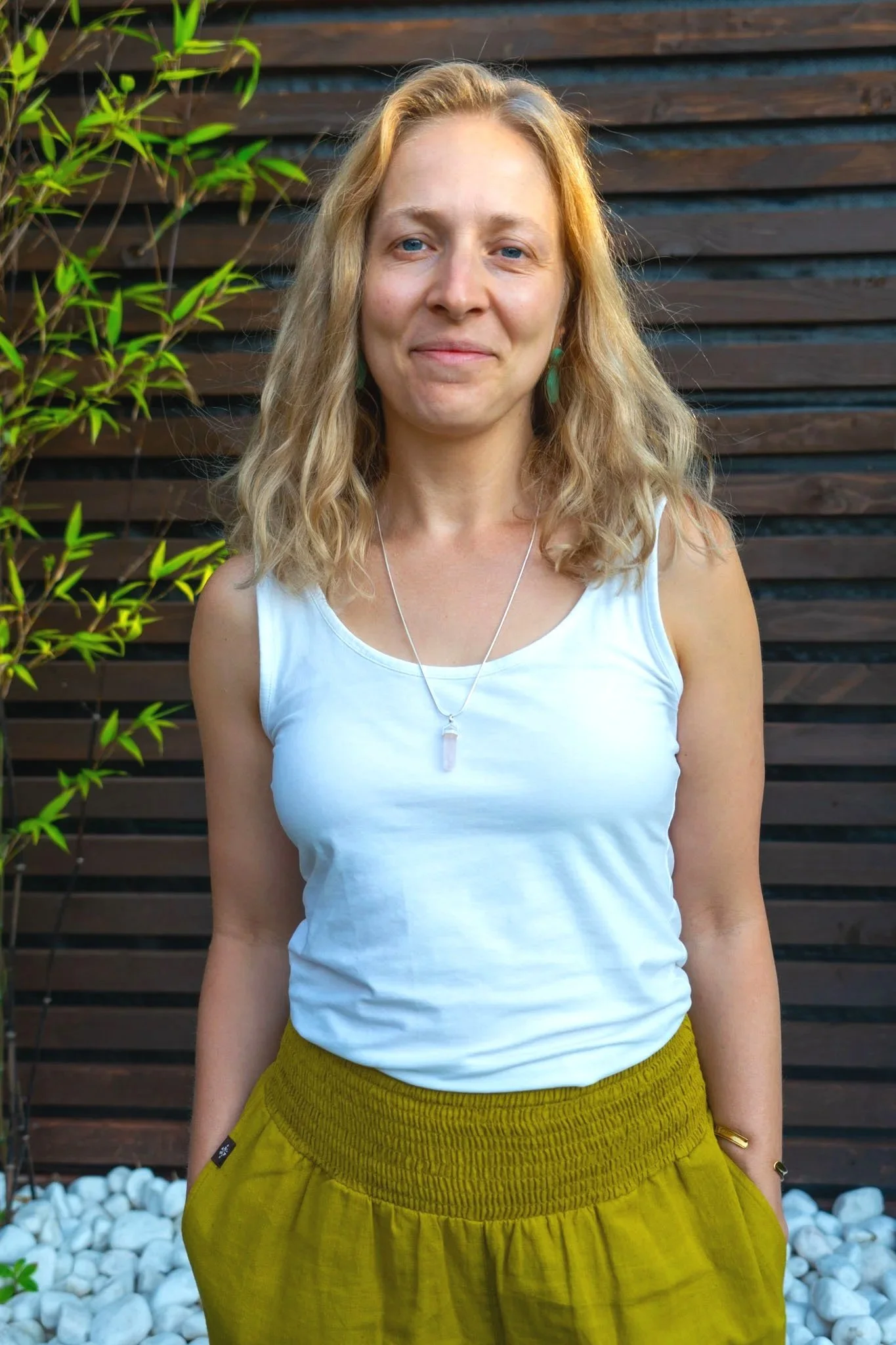
MEET YOUR THERAPIST
Hi there, I’m Hayley Trower, PhD.
I specialise in addiction in Leek, Buxton and online.
I'm skilled in several evidence-based approaches to help sensitive people rebuild their sense of self-worth and confidence, including those who use alcohol, drugs, or other habits to cope with overwhelming feelings or difficult experiences.
My integrative approach includes psychodynamic therapy, breathwork, meditation, mindfulness, visualisation, shadow work, shame work, radical forgiveness, harm reduction, and parts work (IFS informed, inner child, and subpersonalities). I tailor my approach in a way that works for each individual.
My core training is with The Reach Approach, a UK based holistic psychotherapy organisation that has been changing lives for more than 40 years. I am an associate of The Reach Approach, a member of the BACP, and my training is accredited by the NCPS and the CMA.
Nervous system regulation is an important first step. Addiction is often rooted in a dysregulated nervous system searching for relief. Tools might include breathwork, deep relaxation, meditation, yoga, walking, yoga nidra, social connection, creativity, sound healing and more. We will explore this together so that you can start to feel safer in your body and mind.
Environmental triggers are worth exploring early on too. We will look practically at your home, work, and social environment and identify where the pressure points are.
Harm reduction is a compassionate and non-judgmental approach that focuses on reducing the impact of addictive behaviours rather than demanding immediate change. We work with where you are, not where you think you should be.
Life mapping helps to identify and heal the root cause of your addiction. It helps you to share your story, observe your own patterns, and see how your experiences and conditioning have shaped the ways you've learned to cope.
Shame work and radical forgiveness are at the heart of this work. Shame is almost always at the root of addiction – that deep sense of not being enough, or of being fundamentally flawed. Self-forgiveness helps you to begin letting that go.
Visualisation (inner child work, dark room work) is a deeply transformational approach once the foundational work has been done. It encourages whole brain thinking which helps you to experience life from a clearer perspective that is beyond the old stories and conditioning. You can begin to make balanced decisions based on emotion, intution and logic rather than compulsion
Parts work helps you to understand the parts of you that reach for numbing or escape. It works on the premise that these parts are protective rather than broken. By learning to work with them rather than against them, you can begin to act from your true self rather than from pain.
I can also help with low self-worth and confidence, anxiety, chronic overwhelm, and other challenges.
Become Your Sensitive Self
Learn to love your sensitivity and feel alive again