
Chronic Overwhelm
Does this sound familiar?
You're exhausted but you can't stop. Your to-do list never gets shorter and the moment you tick something off, more things appear. You're holding it together on the outside but inside you're running on empty, and you can't remember the last time you felt genuinely okay. There's a sense that if you slow down, it will all fall apart, or that something you've been pushing down will finally catch up with you.
Chronic overwhelm isn't just about having too much on your plate. Often it's a signal that something deeper needs attention. Perhaps you have old patterns of overgiving, or difficulty saying no. Until you address that, no amount of productivity hacks or self-care routines will get to the root of it.
I can help you to slow down, reconnect with what actually matters, and build a life that doesn't constantly feel like too much.

How my approach helps:
We start with the body and nervous system. Breathwork, deep relaxation, movement, and body awareness help you to begin to resource yourself. From there we move into the mind, exploring the beliefs and patterns that have kept you stuck in overdrive, rebuilding self-compassion and self-trust along the way.
Finally we look at your environment. Boundaries, routines, relationships, and the cultural narratives that tell you to keep doing more. This is where inner change starts to show up in your everyday life. This three-phase journey is the foundation of my Overwhelm Freedom Framework.
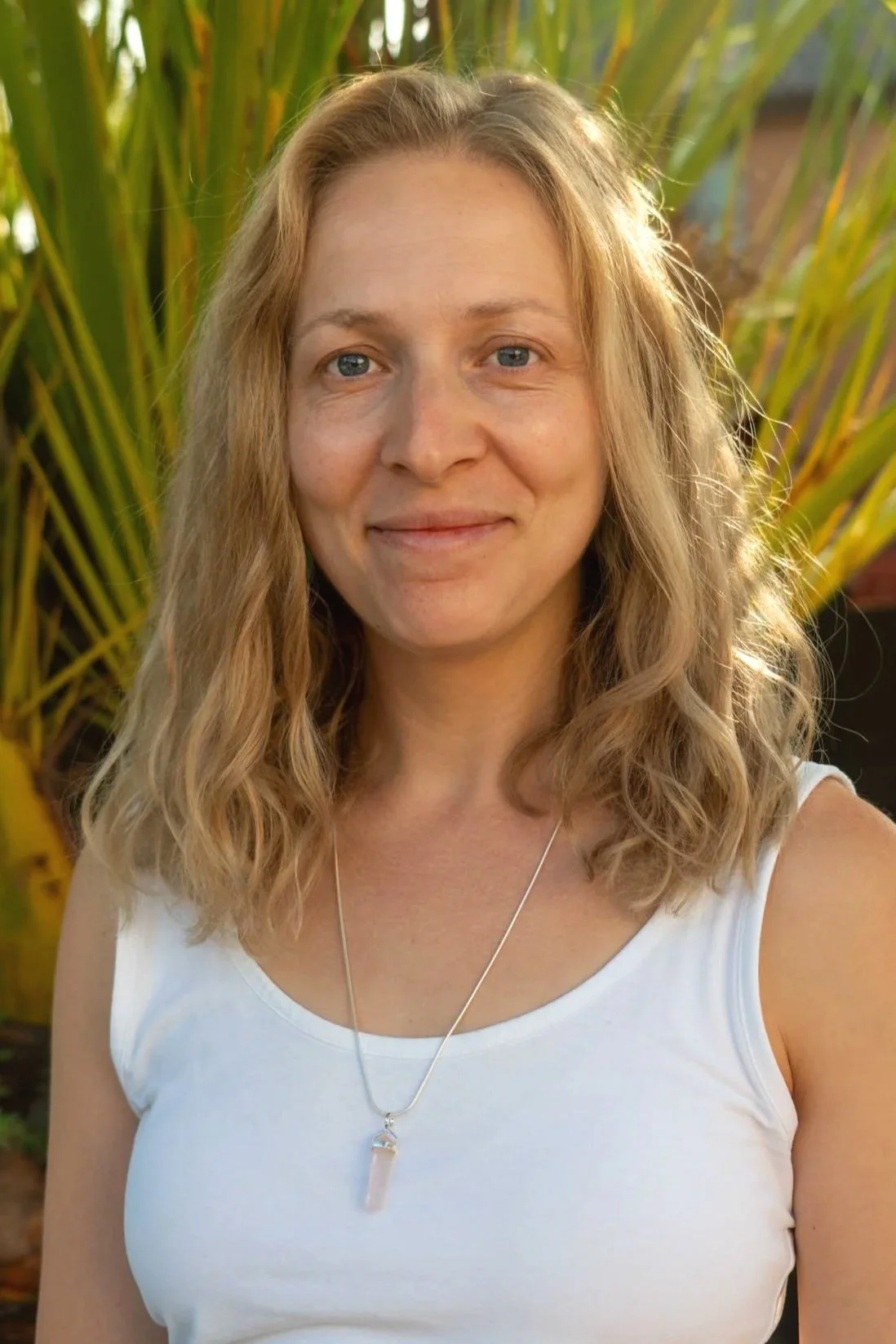
Helping you feel like you have space again
Common questions about chronic overwhelm
-
Stress is usually temporary. It has a cause and when that cause resolves, you recover. Chronic overwhelm is different. It's a persistent state of too-muchness that doesn't lift even when things calm down on the outside. If you've been running on empty for so long that you can't remember what okay feels like, that's worth paying attention to.
-
Yes, and there's a good reason for that. Highly sensitive people process the world more deeply and are more affected by their environment, other people's emotions, and sensory input. That's a genuine strength in many ways, but it also means your nervous system is working harder than most. Learning to work with your sensitivity rather than against it is a big part of what we do together.
-
It's certainly common, but common isn't the same as inevitable. A lot of people have normalised a level of stress and exhaustion that isn't actually sustainable, because everyone around them is doing the same. You don't have to accept that this is just how life is.
-
I hear this a lot, and it makes complete sense. But waiting until you have more capacity to address the thing that's draining your capacity is a bit of a catch-22. Most people find that even in the early stages of our work together, small shifts start to create breathing room. You don't need to have it together to begin.
For general FAQs and info about how to get started, please click here.
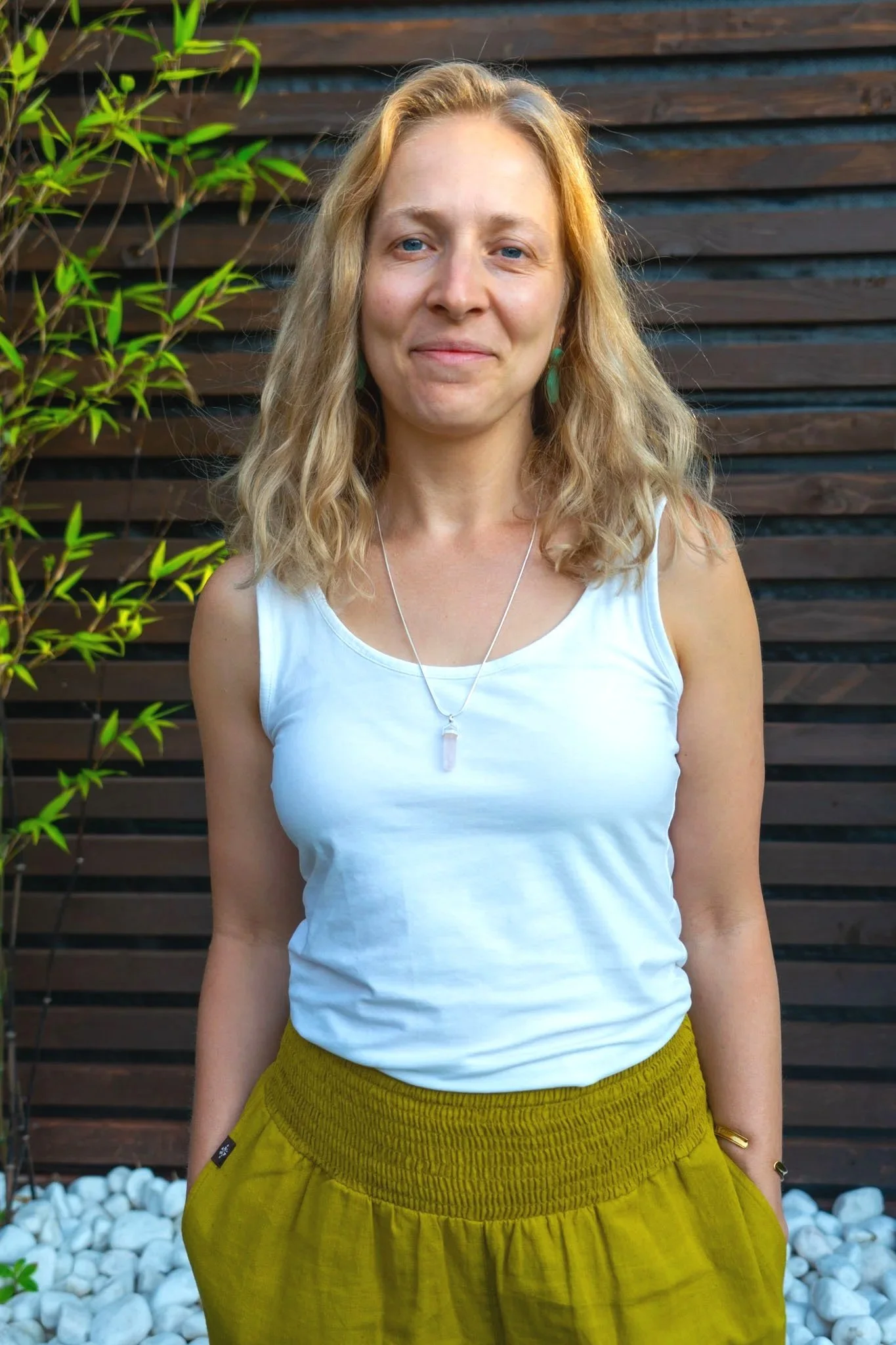
MEET YOUR THERAPIST
Hi there, I’m Hayley Trower, PhD
I specialise in chronic overwhelm in Leek, Buxton and online
I'm skilled in several evidence-based approaches to help sensitive people find their way out of chronic overwhelm, including those who struggle with overgiving, people pleasing, and difficulty slowing down.
My integrative approach includes nervous system regulation, breathwork, psychodynamic therapy, life mapping, visualisation, shame work, and parts work (IFS informed, inner child, and subpersonalities). I tailor my approach in a way that works for each individual.
My core training is with The Reach Approach, a UK based holistic psychotherapy organisation that has been changing lives for more than 40 years. I am an associate of The Reach Approach, a member of the BACP, and my training is accredited by the NCPS and the CMA.
Nervous system regulation is an important first step. When you're chronically overwhelmed, your nervous system is stuck in a constant state of high alert. Tools might include breathwork, deep relaxation, meditation, yoga, walking, yoga nidra, social connection, creativity, and sound healing.
Life mapping helps to identify and heal the root cause of your overwhelm. It helps you to share your story, observe your own patterns, and see how your experiences and conditioning have shaped the way you move through the world.
Shame work and radical forgiveness are often at the heart of this work. The relentless doing, the inability to rest, the guilt when you put yourself first – shame is frequently underneath all of it. Self-forgiveness helps you to begin letting that go.
Parts work helps you to understand the parts of you that push, strive, and refuse to stop. Informed by Internal Family Systems (IFS), it works on the premise that these parts are protective rather than broken. By learning to work with them rather than against them, you can begin to find genuine rest.
I can also help with addiction, low self-esteem and low confidence, anxiety, and other challenges.
Helping you feel like you have space again
Learn to love your sensitivity and live a life of presence and ease